Recycling and Sustainability for Landscapers Hampstead
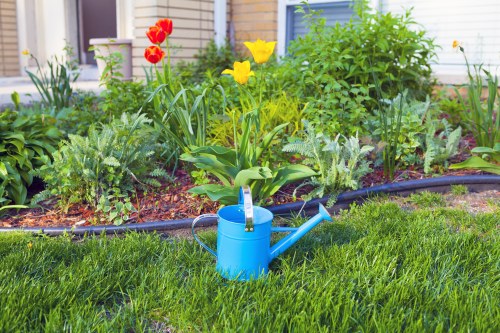 At Landscapers Hampstead, recycling and sustainability are built into the way we manage green waste, garden clearance, and site clean-ups. Our approach to the eco-friendly waste disposal area focuses on sorting materials carefully, reducing landfill use, and keeping reusable resources in circulation wherever possible. We also support a sustainable rubbish area workflow that prioritises recovery over disposal, helping local landscaping work stay cleaner, leaner, and more responsible.
From soil and turf to timber offcuts, branches, metal fixtures, and old planting materials, we separate waste streams so that each item can go to the most appropriate recycling route. In a borough like Hampstead, where residents and contractors increasingly expect responsible environmental practice, this means understanding how local waste separation rules work and adapting our process to match them. Different councils across the wider area often use varied sorting systems, so our landscaping recycling methods remain flexible and compliant.
 A key part of our sustainability policy is setting a recycling percentage target for every project. We aim to divert 90% or more of suitable landscaping waste away from landfill, with the exact figure depending on the materials collected and the condition of recovered items. By measuring performance in this way, Landscapers Hampstead can continually improve our eco-friendly sorting and ensure that the landscaping waste recycling process delivers measurable benefits.
We work with local transfer stations and authorised waste facilities to keep transport distances sensible and to route materials into the correct recycling streams. Green waste can often be processed into mulch or compost, while clean inert materials such as soil and rubble may be assessed for reuse or aggregate recovery. Where suitable, metals are separated for specialist recycling, and untreated wood is directed to facilities that can repurpose or process it responsibly.
Our team also makes use of low-carbon vans to reduce emissions associated with travel between sites, collection points, and transfer stations. These vehicles are chosen to support lower fuel use and reduced carbon output, which matters when working across Hampstead and nearby districts. Shorter routing, fewer unnecessary journeys, and better load planning all help cut the environmental footprint of every landscaping project.
The sustainable rubbish area in our operations is designed to keep recyclable and reusable landscaping waste apart from general refuse. This matters especially for mixed garden clearances, where soil, pots, plastic trays, fencing parts, and cut vegetation may all need different treatment. By creating a clear sorting system at the source, we reduce contamination and improve the chance that each material can be recovered efficiently.
 We also place strong emphasis on partnerships with charities. Usable materials such as decorative stones, paving slabs, plant containers, timber edging, and surplus fixtures can sometimes be passed on for community reuse rather than disposed of. Supporting charities and local reuse initiatives helps extend the life of landscaping materials, benefitting community gardens, low-income households, and projects that rely on donated resources.
Where suitable, we prioritise reuse before recycling. That means assessing whether items can be refurbished, cleaned, or redirected to a charity partner rather than broken down. This approach is especially valuable in urban landscaping work, where even small amounts of recovered material can make a meaningful difference. It also supports the broader idea that waste should be treated as a resource whenever practical.
In practice, this might include segregating green clippings for composting, separating hardcore from organic waste, or identifying clean timber for recycling rather than mixed disposal. Borough approaches to waste separation often encourage these distinctions, and we align our work with that broader local culture of sorting at source. For recycling in Hampstead, attention to these details helps minimise contamination and improve recovery rates across every project.
Our recycling and sustainability standards are also designed to support customers who want their outdoor spaces maintained responsibly without compromising quality. Whether the job involves a large garden overhaul or a smaller tidy-up, we apply the same waste hierarchy: reduce, reuse, recycle, and only then dispose. This creates a cleaner process for clients while ensuring the maximum possible proportion of waste is handled through sustainable channels.
Another important element is material tracking. By keeping records of what is collected, where it goes, and how it is treated, we can refine our systems and identify new opportunities for improvement. Over time, this helps us increase the share of landscaping waste sent to recycling facilities and strengthen our relationships with transfer stations, charities, and recovery operators.
 The result is a more responsible service for homeowners, landlords, and property managers looking for eco-friendly waste disposal in Hampstead. From the first clearance to the final load, every stage is planned to reduce waste and protect resources. This is especially important in areas where local environmental expectations are high and where sustainable methods are becoming the standard rather than the exception.
 Looking ahead, Landscapers Hampstead is committed to improving its recycling percentage target year after year, increasing reuse partnerships, and expanding the use of low-carbon vans across our operations. By combining local transfer station partnerships, careful waste separation, charity collaborations, and greener transport, we can deliver landscaping services that are both practical and environmentally sound.
For anyone seeking a sustainable rubbish area or a better way to manage landscaping waste, the message is simple: responsible disposal starts with thoughtful sorting and ends with the best available recovery route. In a community that values green space, a stronger recycling culture helps keep Hampstead cleaner, lower in carbon, and better prepared for the future.

