Flower Bed Creation in Hampstead: Designing Beautiful Outdoor Spaces That Thrive
Flower bed creation in Hampstead is more than just placing a few plants in the ground. It is about shaping a space that reflects the character of the area, complements your property, and creates lasting seasonal beauty. Whether you have a compact front garden, a shaded courtyard, or a larger landscape that needs structure, thoughtful flower bed creation in Hampstead can transform even the simplest outdoor area into something elegant, colourful, and practical.
Hampstead is known for its leafy streets, period homes, and refined garden aesthetics, so it makes sense that local homeowners often want planting schemes that feel natural yet polished. A successful flower bed should not only look attractive on day one but also mature gracefully over time. That means considering soil conditions, sun exposure, drainage, plant selection, maintenance needs, and the overall style of the property before digging a single hole.
For many residents, flower bed creation in Hampstead begins with a clear vision: perhaps a border bursting with seasonal colour, a low-maintenance bed with evergreen structure, or a pollinator-friendly planting area that supports wildlife. Whatever the goal, the process benefits from planning, local knowledge, and attention to detail. In this article, we will explore how to create attractive flower beds in Hampstead, what to plant, how to prepare the soil, and how to keep the display looking its best throughout the year.
Why Flower Bed Creation in Hampstead Needs Local Insight
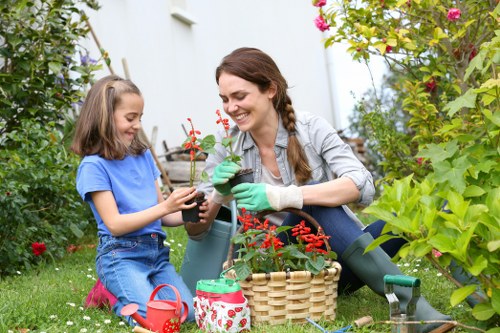
Every area has its own planting challenges, and Hampstead is no exception. Flower bed creation in Hampstead often involves working with mature trees, shaded plots, clay-heavy soil in some locations, and properties that experience varying levels of wind and light. These conditions can influence everything from drainage to plant choice, making local insight extremely valuable.
Many Hampstead gardens are compact or partially enclosed, which means the planting design must be both beautiful and efficient. A bed that looks full in spring but sparse by late summer will not create the lasting impact most homeowners want. A well-planned flower bed creation in Hampstead should deliver texture, structure, and colour across multiple seasons.
Local style matters too. Hampstead gardens often blend traditional charm with contemporary simplicity. That means a flower bed can be formal or relaxed, but it should still feel intentional. Using layered planting, repeating colours, and balanced heights helps achieve a professional finish that suits the character of the area.
Planning a Flower Bed: The Essential First Steps
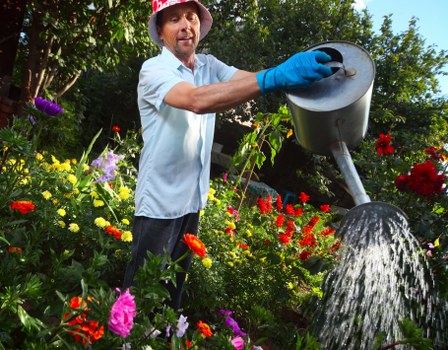
Before starting flower bed creation in Hampstead, it is important to map out the area carefully. Planning prevents costly mistakes and helps the planting scheme achieve a cohesive look. Begin by measuring the space and noting where the sun falls during the day. Observe how the area changes through the seasons, especially if nearby trees cast heavy shade in summer.
It is also worth considering the purpose of the bed. Is it meant to frame a pathway, soften a fence, brighten the front of the house, or create an attractive focal point? Defining the role of the flower bed makes it easier to choose the right shapes, plants, and edging materials. A bed designed to be viewed from the street may need strong visual impact, while one seen from a patio might prioritise fragrance and seasonal interest.
Another key step is deciding on the maintenance level you want. Some homeowners in Hampstead prefer lush planting that requires regular deadheading and trimming. Others want a low-maintenance design that remains attractive with minimal effort. Being honest about how much time you can devote to care will help ensure the flower bed creation in Hampstead is practical as well as attractive.
Questions to ask before you begin
- How much sunlight does the area receive each day?
- Is the soil dry, rich, sandy, or heavy with clay?
- Will the bed be viewed from the front, side, or rear of the property?
- Do you want year-round structure or mainly seasonal colour?
- How much maintenance are you willing to carry out?
Preparing the Ground for Lasting Results
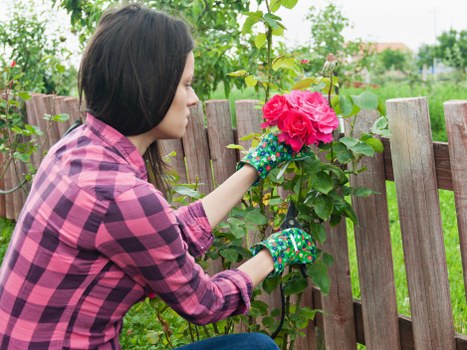
Strong flower bed creation in Hampstead begins beneath the surface. Soil preparation is one of the most important parts of the process because even the most beautiful plants will struggle if the ground is poor. Start by removing weeds, stones, roots, and debris. If the area has been neglected, you may need to clear turf or break up compacted soil before planting.
Once the bed is cleared, improve the soil structure by adding organic matter such as compost or well-rotted manure. This helps with drainage, moisture retention, and nutrient content. In many Hampstead gardens, this step is especially useful because established properties often have tired or compacted soil from years of use. A healthy planting base supports stronger roots and healthier growth.
It is also wise to test the pH of the soil if you want to be precise with plant selection. Some plants prefer neutral soil, while others thrive in slightly acidic or alkaline conditions. In a location like Hampstead, where gardens can vary widely from one property to another, soil testing can make flower bed creation more accurate and successful.
Soil preparation checklist
- Remove weeds and old roots completely.
- Loosen compacted soil with a fork or spade.
- Mix in compost or organic matter.
- Check drainage by watering the area and observing how quickly it absorbs.
- Level the surface before planting.
Choosing Plants for Flower Bed Creation in Hampstead
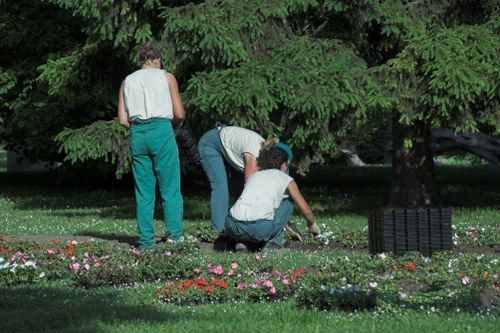
Plant selection is where flower bed creation in Hampstead becomes truly exciting. The right combination of plants can create visual interest across all seasons while matching the architecture and atmosphere of your property. A successful design usually includes a balance of evergreen structure, flowering highlights, and plants that provide texture through leaves, stems, and form.
For sunnier spots, you might choose plants that love bright conditions and long flowering periods. Lavender, salvia, echinacea, verbena, and ornamental grasses can work beautifully in modern or traditional settings. For shady or partially shaded beds, consider hostas, hellebores, astilbe, brunnera, hydrangeas, and ferns. These are especially useful for flower bed creation in Hampstead, where many gardens receive filtered light beneath established trees.
Mixing heights is also important. Tall plants can be placed toward the back of borders, medium-height plants in the centre, and low growers at the front. This creates depth and ensures every plant is visible. When done well, flower bed creation in Hampstead produces a layered, natural look that feels full without appearing crowded.
Planting combinations that work well
- Spring interest: tulips, daffodils, hellebores, forget-me-nots
- Summer colour: roses, nepeta, geraniums, lavender
- Autumn texture: sedum, asters, ornamental grasses
- Winter structure: box, sarcococca, skimmia, evergreen ferns
Design Principles That Make Flower Beds Stand Out
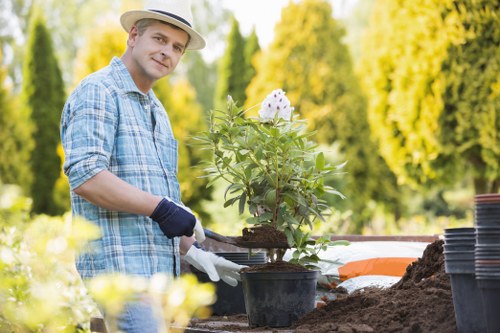
Good flower bed creation in Hampstead depends on design as much as planting. A bed should feel balanced, intentional, and suited to its surroundings. One of the most effective design principles is repetition. Repeating the same plant or colour in several places creates harmony and helps the bed feel connected rather than random.
Another useful principle is contrast. Pairing fine-textured foliage with broad leaves, or pale flowers with darker greenery, creates visual interest. You can also use contrast in shape by mixing upright plants with rounded forms or spilling groundcover. This adds movement and keeps the bed engaging from different angles.
Finally, think about scale. A narrow front border needs a different approach from a deep rear border. Large shrubs may overwhelm a small space, while tiny bedding plants might disappear in a larger setting. Flower bed creation in Hampstead is most successful when the size of each plant is matched to the space it occupies and the role it plays in the overall composition.
Design tips for a polished finish
- Use odd-numbered clusters for a more natural effect.
- Repeat colours to create rhythm across the bed.
- Include evergreen plants for year-round structure.
- Blend flowering plants with foliage plants for continuity.
- Leave enough space for mature growth, not just initial planting.
Front Garden Flower Bed Creation in Hampstead
Front garden beds have a special job to do. They must improve kerb appeal, frame the property attractively, and look appealing throughout the year. Flower bed creation in Hampstead for front gardens often uses a more structured approach, especially around Victorian, Edwardian, and period homes. Clean edging, balanced planting, and a restrained colour palette can make a big difference.
Low-growing plants are often ideal for front beds because they keep views open while still adding colour and softness. Lavender, heuchera, dwarf grasses, and compact roses can work well. If you want privacy without blocking light, taller layered planting may be used closer to boundaries or along railings. This allows the garden to feel welcoming while still maintaining a sense of openness.
Front gardens also benefit from durable materials and tidy finishes. Brick edging, stone borders, or neat metal edging can define the space and keep mulch in place. In flower bed creation in Hampstead, the front garden often serves as the first impression, so it is worth investing time in making it clean, coherent, and attractive.
Front garden priorities
- Strong seasonal colour
- Clear structure and neat edging
- Plants that suit the property style
- Low or moderate maintenance
- Good visual appeal from the street
Low-Maintenance Flower Bed Ideas for Busy Homeowners
Not everyone has time to spend hours on garden upkeep, and that is perfectly fine. Flower bed creation in Hampstead can be designed to suit busy lifestyles while still looking elegant. The key is choosing plants and materials that reduce labour without sacrificing beauty. A low-maintenance bed often includes hardy perennials, evergreens, mulch, and drought-tolerant plants.
Mulching is especially helpful because it suppresses weeds, retains moisture, and improves the bed’s appearance. Bark mulch, gravel, or decorative stone can all be used depending on the style of the garden. In a more formal setting, dark bark mulch may look neat and understated. In a contemporary space, gravel or slate chippings may feel more appropriate.
Using perennials instead of large numbers of bedding plants can also cut down on yearly replanting. Plants like geraniums, salvias, sedums, and hardy shrubs return reliably each year and often require less intervention once established. This makes flower bed creation in Hampstead more sustainable and cost-effective over time.
Best low-maintenance features
- Evergreen shrubs for year-round form
- Perennials that return each season
- Mulch to reduce weeds
- Drip irrigation or soaker hoses for efficient watering
- Hardy plants suited to local conditions
Seasonal Interest: Keeping Flower Beds Attractive All Year
One of the hallmarks of excellent flower bed creation in Hampstead is seasonal continuity. Rather than relying on one short burst of colour, a well-designed bed should evolve through spring, summer, autumn, and winter. This means choosing plants that flower at different times and ensuring there is always something visually interesting, even in colder months.
Spring bulbs are a popular way to begin the year with impact. Daffodils, crocuses, snowdrops, and tulips can bring early colour before perennials fully emerge. Summer then takes over with roses, lavender, delphiniums, and flowering annuals. As the year progresses, sedums, asters, Japanese anemones, and grasses carry the display into autumn.
Winter should not be overlooked. Evergreen shrubs, architectural stems, berries, and textured foliage all add value when flowers are scarce. In Hampstead, where gardens are often appreciated from inside the home as well as outdoors, year-round structure is especially important. Flower bed creation in Hampstead should therefore be planned as a twelve-month experience rather than a short seasonal event.
Seasonal planting strategy
- Spring: bulbs and early perennials
- Summer: main flowering display and fragrance
- Autumn: texture, seed heads, and warm tones
- Winter: evergreen structure and bark interest
Edging, Borders, and Finishing Touches
Finishing touches can elevate flower bed creation in Hampstead from good to exceptional. Edging helps define the bed, keeps grass from creeping in, and provides a crisp line that makes the whole garden feel more refined. Materials such as brick, stone, steel, or timber can be chosen to suit the style of the property.
Border shape also matters. Curved borders often create a softer, more organic look, while straight lines feel formal and precise. In many Hampstead homes, the best approach may be a subtle curve that complements the layout of the garden without making it feel too rigid. The shape should support the planting rather than compete with it.
Adding decorative features can make the space more personal. A birdbath, a bench, a sculptural pot, or a winding path can all enhance the finished bed. The best flower bed creation in Hampstead often includes one or two design accents that draw the eye without overcrowding the planting.
Popular finishing details
- Clean edging for definition
- Mulch or decorative gravel for tidiness
- Accent pots or containers
- Small ornamental features
- Pathway integration for access
How to Maintain a Flower Bed After Creation
Creating a beautiful flower bed is only the beginning. Ongoing care keeps it healthy, balanced, and attractive. Regular maintenance is a central part of successful flower bed creation in Hampstead because the local climate and garden conditions can change throughout the year. Even low-maintenance beds benefit from occasional checks.
Basic maintenance includes watering during dry periods, removing weeds before they spread, deadheading faded flowers, and trimming back overgrowth when needed. Feeding plants in spring and refreshing mulch annually can also make a noticeable difference. If plants begin to outgrow their position, they may need lifting, dividing, or replacing to preserve the overall design.
It is worth remembering that a flower bed evolves. Plants mature, conditions shift, and your tastes may change. A flexible maintenance approach allows the bed to improve over time rather than become neglected. This is why thoughtful flower bed creation in Hampstead should always include long-term care in the plan, not just the planting day.
Maintenance tasks to remember
- Water deeply during dry spells
- Remove weeds regularly
- Deadhead flowering plants
- Cut back tired growth at the right time
- Top up mulch when needed
Why Professional Flower Bed Creation in Hampstead Is Worth Considering
Some homeowners enjoy creating their own garden features, while others prefer the confidence that comes from professional input. Professional flower bed creation in Hampstead can save time, reduce trial and error, and deliver a more polished result. A knowledgeable team can assess the site accurately, choose suitable plants, prepare the ground properly, and create a bed that looks good from day one.
Professionals also understand how to balance aesthetics with practical needs. They can recommend plant combinations that suit local light conditions, suggest edging materials that match the property, and design borders that remain attractive through the year. This is especially valuable in Hampstead, where many gardens require a tailored approach rather than a generic solution.
If you want a flower bed that enhances kerb appeal, boosts outdoor enjoyment, and adds long-term value to your property, professional support can make the process easier and more effective. Contact us today to discuss flower bed creation in Hampstead that suits your space, style, and maintenance preferences. Book your service now and take the first step toward a garden that feels truly complete.
Benefits of expert planning
- Better plant selection for local conditions
- Efficient use of space
- Cleaner preparation and finishing
- More reliable seasonal impact
- A design tailored to your home
Final Thoughts on Flower Bed Creation in Hampstead
Flower bed creation in Hampstead offers a rewarding way to enhance a garden with colour, texture, and structure. Whether the space is small and shady or open and sunny, the right planting scheme can make a dramatic difference. By planning carefully, preparing the soil well, and choosing plants suited to the local environment, you can create a bed that looks appealing throughout the year.
The most successful flower bed creation in Hampstead combines practical decisions with creative design. It respects the style of the property, works with the conditions of the site, and reflects the lifestyle of the homeowner. With thoughtful edging, seasonal planting, and consistent care, even a modest border can become a standout feature.
If you are ready to improve your outdoor space, now is the ideal time to explore your options. From fresh front garden borders to full planting schemes, flower bed creation in Hampstead can bring new life to your property. Book your service now and enjoy a garden that feels welcoming, balanced, and beautifully designed.

